

Lower partial dentures and bottom front teeth are pivotal solutions for many facing the challenge of tooth loss. Losing front and back teeth together can significantly impact your smile and self-confidence, whether due to injury, decay, or age. These specialized dentures are designed to blend seamlessly with your natural teeth, restoring not just functionality but also the aesthetics of your smile. But how exactly do they work, and what makes them a preferred choice for so many? Stay tuned as we explore the intricacies and benefits of choosing lower partial dentures for your bottom front teeth.
Introduction to Lower Partial Dentures for Bottom Front Teeth
Lower partial dentures and bottom front teeth offer a targeted solution for those missing teeth in the visible part of their smile. Specifically designed for the lower jaw, these dentures provide a functional and aesthetic restoration that can dramatically improve the quality of life for individuals facing the challenges of tooth loss.
- Customized Fit and Design: These dentures are tailored to blend seamlessly with existing teeth, using a metal framework or advanced materials like acrylic or flexible resin for a secure fit and enhanced comfort.
- Stability Through Metal Clasps: Metal clasps may attach the denture to natural teeth, ensuring it remains stable and looks natural, enhancing both function and appearance.
- Cost-Effectiveness and Accessibility: Lower partial dentures are often more cost-effective than options like bridges or implants and offer the advantage of being less invasive, with the flexibility of easy adjustments or removal as needed.
- Functional Restoration: By filling the gaps left by missing front teeth, these dentures restore the ability to chew and speak more effectively, directly improving daily life quality.
- Preservation of Oral Health: They help prevent the remaining teeth from shifting, preserving oral health and the structural integrity of the face and jaw.
Benefits of Choosing Lower Partial Dentures for Front Teeth
Choosing lower partial dentures for front teeth offers several key benefits that can significantly enhance a person’s quality of life and oral health. Here are the main advantages:
Aesthetic Improvement: Lower partial dentures are designed to closely match your existing teeth in color and shape, providing a natural-looking solution that enhances your smile. This can increase confidence and self-esteem, especially since the front teeth are crucial for the aesthetics of the lower denture on your smile.
Cost-Effective Solution: Lower partial dentures are generally more affordable than other dental restoration options like implants or bridges. They provide a budget-friendly solution for those looking to replace several missing teeth without undergoing extensive dental procedures.
Improved Oral Functionality: These larger partial dentures will help restore the ability to chew and speak properly, which can be significantly hindered by the loss of front teeth. By filling the gaps, lower partial dentures ensure that the remaining teeth do not shift, maintaining the alignment and functionality of your bite.
Protection of Remaining Teeth: By preventing the shifting and tilting of adjacent teeth into empty spaces, lower partial dentures help maintain the integrity of your remaining natural teeth and the overall structure of the jaw.
Non-Invasive Option: Lower partial dentures do not require surgical procedures for placement, making them a non-invasive alternative to dental implants. This is particularly beneficial for patients not candidates for surgery due to medical reasons or personal preference.
Ease of Adaptation: Patients typically find it easier to adapt to lower partial dentures than other dental prosthetics. They are removable, which allows for easier cleaning and maintenance, contributing to better oral hygiene.
Flexibility for Future Dental Work: Lower partial dentures can be easily adjusted or updated as your dental needs change over time, providing flexibility that is not always available with fixed solutions.
Design and Materials: What Makes Lower Partial Dentures Unique?
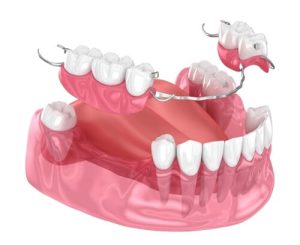
Lower partial dentures for bottom front teeth are distinguished by their specialized design and materials. They are tailored to meet the patient and unique needs of individuals who have lost teeth in a highly visible mouth area. Here’s what makes these dentures unique:
- Design Flexibility: The design of lower partial dentures is highly flexible, allowing customization to fit the specific contours of an individual’s mouth. This customization ensures comfort and a natural appearance, which is particularly important for the front teeth most visible when speaking or smiling.
- Material Choices: A variety of materials are used in the construction of lower partial dentures. Common materials include:
Acrylic Resin: Often used for the gum-colored base of the denture, acrylic is lightweight and can be easily colored to match the natural gums.
Metal Alloys: A metal framework is frequently employed for its strength and durability. These frameworks are typically made from cobalt-chrome or titanium, which are both strong and hypoallergenic.
Flexible Thermoplastics: For those who prefer a metal-free option, flexible thermoplastics provide an alternative that can offer a more aesthetic and comfortable fit. These materials adapt well to the natural movements of the mouth.
Aesthetic Integration: The teeth part of the dentures is usually made from porcelain or high-quality composite materials that mimic real teeth’ natural clarity and shine. These materials can be color-matched to the remaining natural teeth, ensuring the dentures look seamless.
Clasp Design: Lower partial dentures often include clasps that attach to the remaining natural teeth. These clasps can be made from the same metal as the framework or tooth-colored materials to make them less visible.
Durability and Comfort: The combination of materials and design customization contributes to the durability of lower partial dentures and enhances comfort. Properly fitted dentures distribute biting forces evenly across the jaw, preventing discomfort and ensuring ease of use.
The Fitting Process: What to Expect During Installation
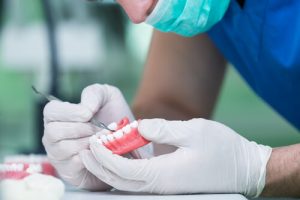
The fitting process for lower and upper partial dentures alone, especially for bottom front teeth, is crucial to ensure comfort and functionality. Here’s what to expect during the installation of lower partial dentures:
Initial Consultation
- Assessment: Your dentist will start by comprehensively assessing your oral health, including examining your teeth, gums, and jaw structure.
- Discussion: You’ll discuss your needs and preferences, which will help customize the dentures.
Dental Impressions
- Molding: Accurate impressions of your upper and lower teeth will be taken. These molds are crucial for creating dentures that fit snugly and comfortably.
- Bite Registration: This step ensures that your new dentures align properly with your opposing teeth, promoting a natural bite.
Denture Design and Fabrication
- Custom Design: Based on the impressions and bite registration, the dental laboratory will design your partial dentures using the selected materials.
- Fabrication: The actual creation of the dentures may take a few weeks. During this time, precision tools and techniques ensure that fit and aesthetics are up to standards.
Fitting Appointment
- Initial Fitting: Once the dentures are ready, you’ll have a fitting appointment, during which the dentist will place them in your mouth to check their fit and comfort.
- Adjustments: Minor adjustments might be necessary to perfect the fit and ensure the dentures are comfortable and functional. This could involve trimming or reshaping areas of the denture base or adjusting the clasps.
Follow-up Visits
- Monitoring: You may need one or more follow-up visits to ensure the dentures are functioning well and to make any necessary adjustments as you get used to wearing them.
- Feedback: It’s important to give your dentist feedback about how the dentures feel in your mouth, as this will guide any further modifications.
Care Instructions
- Maintenance: You will receive instructions on how to care for your dentures, including cleaning and storage practices to maintain their condition and hygiene.
- Ongoing Care: Regular dental check-ups are recommended to assess your gums’ health and the dentures’ condition.
Maintenance Tips: Caring for Your Lower Partial Dentures
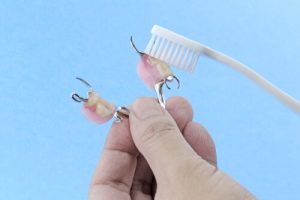
Caring for lower partial dentures, especially those designed for bottom front teeth, is essential for maintaining their function, appearance, and longevity. Here are some maintenance tips to ensure your healthy teeth and your dentures stay in top condition:
Daily Cleaning:
- Brush Daily: Use a soft-bristled denture brush to clean the dentures gently at least once a day. This removes food particles and plaque and prevents staining.
- Non-abrasive Cleaner: Use a mild, non-abrasive denture cleaner, not regular toothpaste, which can be too harsh for the denture materials.
Handling Carefully:
- Avoid Dropping: Always handle your dentures over a folded towel or a basin of water to avoid damage if they are dropped.
- Proper Removal and Insertion: Follow your dentist’s instructions for removing and inserting your dentures to avoid bending or damaging the clasps.
Soaking Overnight:
- Keep Moist: Dentures should be kept moist when not being worn to maintain their shape. Soak them in a soaking solution for dentures or water overnight.
- Avoid Hot Water: Never use hot water for soaking, as it can warp the denture material.
Regular Check-Ups:
- Dentist Visits: Visit your dentist regularly to have your dentures and your oral health checked. Your dentist can also professionally clean your dentures.
Care for Your Oral Health:
- Gum and Mouth Care: Even with partial dentures, it’s important to continue caring for your remaining natural teeth and gums. Brush gently, floss, and use an antiseptic mouthwash to keep your mouth healthy.
Avoid Damaging Habits:
- No Hard or Sticky Foods: Avoid chewing hard or sticky foods that could dislodge or damage dentures.
- Stop Using Dentures to Open Things: Never use your dentures to cut or open things, as this can cause damage.
Address Fit Issues Promptly:
- Adjustments: If you notice any discomfort or changes in the fit of your dentures, consult your dentist. Do not attempt to adjust or repair your dentures yourself.
In conclusion, lower partial dentures in the bottom front teeth offer a functional and aesthetic solution for those looking to restore their smile after tooth loss. By choosing this dental appliance, you can enjoy the benefits of improved speech, enhanced chewing ability, and a boost in self-confidence. With proper care and maintenance, lower partial dentures replacing missing teeth can provide a lasting impact on your oral health and overall quality of life. Don’t let tooth loss hold you back—explore how lower partial dentures could be the key to regaining your smile and confidence.
References
Partial Dentures: Cost, Types, and How to Choose
https://www.healthline.com/health/dental-and-oral-health/partial-denture
Dentures (false teeth) – NHS
https://www.nhs.uk/conditions/dentures/
Hypodontia (Missing Teeth): Causes & Treatment
https://my.clevelandclinic.org/health/diseases/24192-hypodontia-missing-teeth
Dentures Partial | MouthHealthy
https://www.mouthhealthy.org/en/all-topics-a-z/dentures-partial
Denture care: How many teeth do I clean dentures? – Mayo Clinic
https://www.mayoclinic.org/denture-care/expert-answers/faq-20058375