

Missing front teeth can significantly affect appearance, self-esteem, and daily interactions. In this article, we delve into how introducing front teeth partial dentures can transform more than just a smile, touching on aspects of personal confidence, social interactions, and overall life satisfaction. Join me to learn how front teeth partial dentures changed my life.
My Journey to Choosing Front Teeth Partial Dentures
Choosing front teeth partial dentures was a pivotal decision in my journey toward restoring my smile and self-confidence. After losing several front teeth due to tooth decay and gum disease, I faced numerous challenges that affected my daily interactions and overall well-being.
- Initial Challenges: The absence of my front teeth impacted my speech, my ability to enjoy certain foods, and, most significantly, my self-esteem. Each smile in the mirror reminded me of my oral health issues.
- Exploring Options: I consulted with my dentist, who presented several tooth replacement options, including dental implants, bridges, and dentures. Considering factors like cost, the condition of adjacent teeth, and my oral health, partial dentures emerged as the most suitable choice.
- Customized Solution: The dental team created a personalized treatment plan, ensuring that my partial dentures would fit comfortably and blend seamlessly with my existing teeth, mimicking the appearance of natural teeth.
- Adjustment Period: Getting used to the new teeth took some time. Part of the adjustment was learning to speak again and adapting to the feel of the dentures in my mouth.
- Enhanced Quality of Life: The partial dentures restored functionality over time, allowing me to enjoy various foods and engage in conversations without self-consciousness. My smile was transformed, boosting my social confidence and overall happiness.
The Immediate Impact: First Impressions Post-Dentures
The immediate impact of receiving my front teeth partial dentures was profound and transformative. When I first saw my restored smile, it felt like a new chapter had begun, marked by renewed confidence and possibilities.
Restored Smile: The most striking initial effect was seeing my complete smile in the mirror for the first time with the replacement teeth and the partial dentures. The dental solutions successfully replaced my missing front teeth, giving me a beautiful smile that looked natural and aligned perfectly with my remaining teeth.
Improved Speech: With all the teeth gaps filled, my speech articulation improved significantly. I could pronounce certain sounds more clearly, enhancing my communication abilities and reducing my self-consciousness during conversations.
Enhanced Eating Experience: The partial dentures allowed me to chew food more effectively, broadening my dietary choices. I could enjoy foods that were previously too difficult to eat, improving my overall nutritional intake and pleasure in dining.
Boost in Self-Esteem: My immediate teeth restoration dramatically boosted my self-esteem. I smiled openly and engaged more confidently in social interactions, positively affecting my personal and professional relationships.
Positive Reactions from Others: The reactions from family, friends, and colleagues were overwhelmingly positive. Their compliments on my new smile and improved appearance further reinforced my satisfaction with the decision to get partial dentures.
Emotional and Psychological Benefits of Restored Smiles
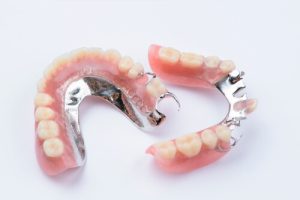
The emotional and psychological benefits of having a restored smile through front teeth partial dentures are profound and far-reaching. Restoring missing front teeth can significantly enhance mental well-being and overall life satisfaction for many individuals. Here’s how a restored smile impacts emotional and psychological health:
Increased Self-Esteem:
Having a complete and healthy smile naturally boosts self-esteem. Brighter smiles often make individuals feel more confident in their appearance, which increases comfort during social interactions and public engagements.
Reduced Social Anxiety:
With a full smile, many experience decreased social anxiety that gaps or missing teeth may have exacerbated. Feeling good about their smile makes it easier for individuals to engage in conversations and meet new people without feeling self-conscious.
Enhanced Mood:
Smiling more frequently enhances your mood and positively affects those around you. A smile can trigger the release of neurotransmitters such as dopamine and serotonin, which are associated with feelings of happiness and well-being.
Improved Perception by Others:
A healthy smile is often associated with positive traits such as reliability, friendliness, and professionalism. Restored smiles can improve how others perceive individuals, potentially positively impacting personal and professional relationships.
Motivation for Better Oral Hygiene:
The investment in partial dentures can motivate individuals to maintain or improve their oral health hygiene routines. Better oral health care preserves the remaining natural teeth and the new dentures and supports overall health.
Renewed Outlook on Life:
With the restoration of functional teeth, individuals often feel a renewed sense of vigor for life. They may become more outgoing, engage in new activities, and embrace opportunities they might have avoided due to their dental issues.
Social Interactions and Relationships: Before and After Dentures
The impact of front teeth partial dentures on social interactions and relationships can be significant, transforming how individuals engage with others before and after their dental restoration. Here’s a closer look at the changes one might experience in social settings and personal relationships after receiving full dentures:
Before Dentures:
- Self-Consciousness: Missing front teeth often causes a great deal of self-consciousness. Individuals might shy away from speaking or smiling openly, impacting their social presence and engagement.
- Misunderstandings in Communication: The absence of front teeth can affect speech clarity, leading to potential misunderstandings and frustration during conversations, which can strain interactions.
- Social Withdrawal: Due to embarrassment or fear of judgment, people with missing teeth might avoid social gatherings, leading to isolation and reduced social contact, which can negatively impact mental health.
After Dentures:
- Restored Confidence: Restoring a complete smile with partial dentures significantly boosts self-esteem. Individuals are more likely to engage confidently in conversations and social interactions without feeling embarrassed about their appearance.
- Improved Communication: Dentures help restore speech articulation by filling gaps that previously may have caused lisps or other speech impediments. This clarity in speech makes communication smoother and more effective, enhancing relationships.
- Increased Social Engagement: With renewed confidence and the ability to speak and smile without hesitation, individuals are often more willing to participate in social activities and broaden their social networks.
- Positive Perception by Others: A full, healthy smile is generally perceived positively by others, affecting first impressions and ongoing interactions. People with restored smiles are often seen as friendlier, more approachable, and more professional.
- Enhanced Personal Relationships: The confidence and happiness from restored dental aesthetics encourage more frequent and heartfelt interactions with family and friends, potentially deepening these relationships.
Maintaining and Caring for Your Partial Dentures
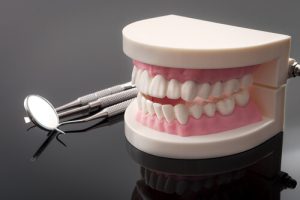
Maintaining and caring for your partial dentures is crucial to ensure their longevity and keep multiple teeth and oral health in top condition. Proper care helps extend the dentures’ life and prevents potential issues like infections or irritation. Here’s a detailed guide on how to properly maintain and care for your partial dentures:
Daily Cleaning:
- Rinse After Eating: Remove and gently rinse your dentures under water to dislodge food particles and other debris.
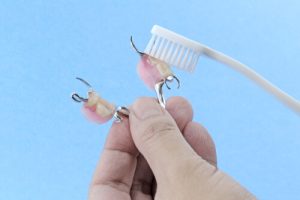
- Brush Daily: Use a soft-bristled denture brush and non-abrasive denture cleaner (not regular toothpaste, which can be too harsh) to thoroughly clean all surfaces of the dentures.
Soaking Overnight:
- Use a Denture Cleanser: Soak your dentures overnight in a mild denture-soaking solution. This helps to keep them moist, which maintains their shape and prevents them from drying out and becoming brittle.
- Rinse Before Wearing: After soaking, always rinse the dentures under water before putting them back in your mouth to remove any cleanser residue.
Handling Carefully:
Dentures are delicate and can break if dropped. Always handle them over a folded towel or a water basin to mitigate any impact of lost teeth should they slip from your hands.
Maintain Oral Hygiene:
Even with partial dentures, it’s important to continue caring for your gums and remaining natural teeth. Brush your gums, tongue, and palate every morning with a soft-bristled brush before inserting dentures to stimulate circulation and remove plaque.
Regular Dental Check-Ups:
Visit your Burwood dentist regularly at Dental 266 clinic for professional cleaning of your dentures and to check their fit. Over time, your mouth’s shape may change, affecting the denture’s fit, potentially causing irritation and sores.
Avoid Damaging Habits:
- Don’t Use Dentures as Tools: Never use your dentures to open packages, bite nails, or for any purpose other than eating.
- Beware of Staining Substances: Minimize exposure to substances that can stain dentures, such as coffee, red wine, and tobacco.
Monitor for Wear and Damage:
Check your dentures regularly for any signs of wear or damage. If you notice cracks, chips, or if the dentures feel loose, consult your dentist immediately.
Long-Term Changes: Reflecting on Life with Dentures
Living with dentures, especially after an initial adjustment period, can bring about significant long-term changes in various aspects of life. Reflecting on these changes can help individuals appreciate the full impact of their decision to opt for dentures. Here’s how life can evolve with the adoption of dentures:
Improved Oral Functionality:
- Eating Habits: One of the most immediate long-term changes is the ability to eat a wider variety of foods. Initially, you may need to start with softer foods, but as you get used to your dentures, you can reintroduce harder and crunchier foods back into your diet.
- Speech Clarity: Dentures can improve speech that might have been affected by missing teeth. After a period of adjustment, many find that their pronunciation and speech clarity improve substantially.
Enhanced Aesthetics and Self-Confidence:
- Restored Smile: Dentures help restore a full smile, often linked to higher self-esteem and confidence. This aesthetic improvement can dramatically influence personal interactions and how individuals perceive themselves.
- Facial Structure Support: Dentures also help support facial muscles and structures that may sag or appear hollow due to missing teeth, improving overall facial appearance and sometimes reducing apparent aging.
Social and Psychological Benefits:
- Increased Social Engagement: With renewed confidence in their smile, many are more willing to engage in social activities and feel less anxiety about public interactions.
- Improved Mental Health: The positive changes in appearance and functionality can lead to improved mental health. Many individuals experience a decrease in social anxiety and an increase in overall happiness.
Adaptation and Lifestyle Adjustments:
- Maintenance Routine: Long-term denture wearers establish a routine for denture care, including regular cleaning and dental check-ups, which become a part of their daily lives.
- Dietary Adjustments: Some may permanently modify their diet to avoid extremely hard or sticky foods that could dislodge or damage dentures.
Health Implications:
- Oral Health Maintenance: Long-term denture use requires continual attention to oral hygiene to prevent issues such as denture stomatitis, gum irritation, and partial dentures, as well as the health of remaining natural teeth.
- Bone Resorption: Wearers must be vigilant about bone loss in the jaw, a common issue with long-term denture use. Regular dental visits can monitor and address potential bone changes.
Renewed Perspectives on Life:
- Greater Appreciation: Reflecting on life with dentures often leads to a greater appreciation for the role of oral health in overall well-being and quality of life.
- Lifestyle Enrichment: Many find that with the challenges of missing teeth behind them, they are free to pursue a lifestyle that is fuller and more engaged than before
In conclusion, saying “front teeth partial dentures changed my life” encapsulates the profound impact that restoring your smile and replacing missing teeth can have on an individual’s confidence and daily interactions. These dentures are more than a dental solution; they are a gateway to renewed self-esteem and enhanced social engagement. The journey to a brighter, more confident smile can be life-altering for anyone contemplating this change.
References
Partial Dentures: Cost, Types, and How to Choose
https://www.healthline.com/health/dental-and-oral-health/partial-denture
Dentures (false teeth) – NHS
https://www.nhs.uk/conditions/dentures/
Partial Dentures • Synergy Dental Clinic
https://synergydental.org.uk/treatments/partial-dentures/
Rehabilitating a severely worn dentition with removable prosthodontics
https://www.nature.com/articles/s41415-023-5583-5
Dentures | Health and wellbeing | Queensland Government
https://www.qld.gov.au/health/staying-healthy/oral-health/orthodontics-specialty-dental/dentures